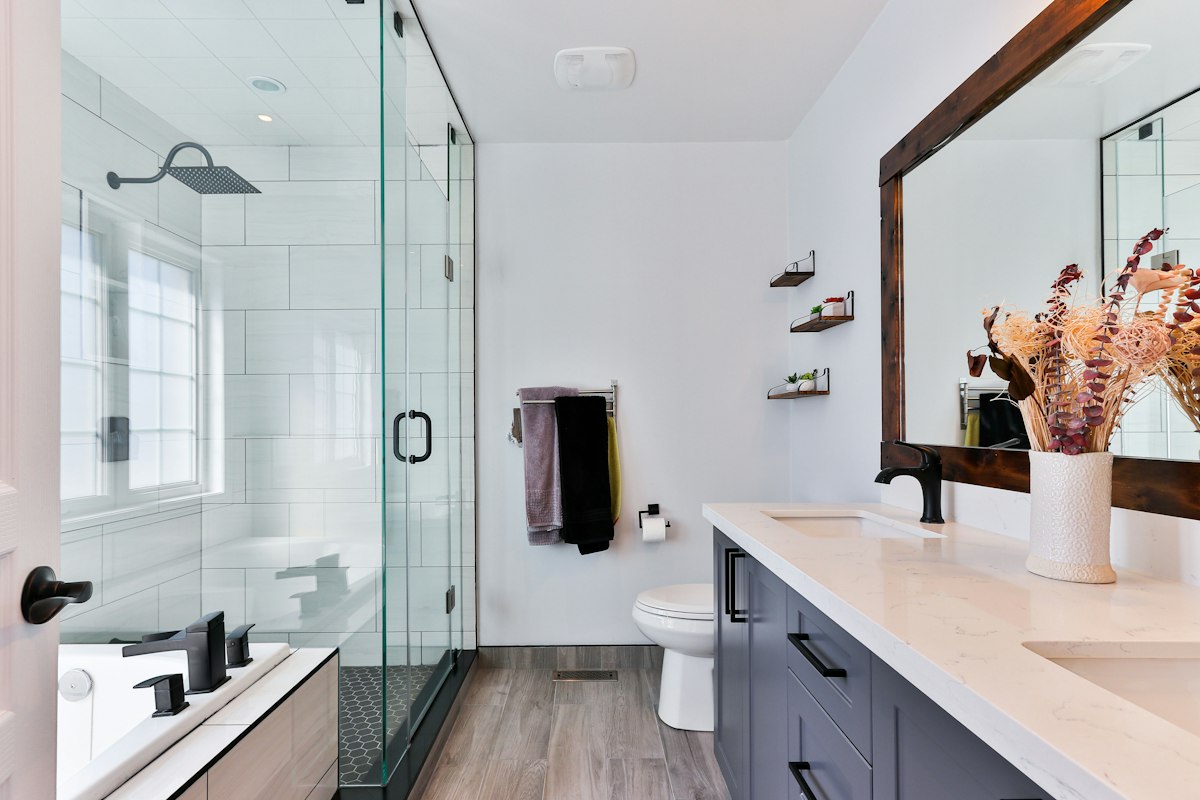
Bathroom remodeling can be a significant investment, and unexpected costs are the #1 reason projects go over budget. Understanding common cost drivers and hidden fees before you start is the most effective way to protect your finances.
Why Bathroom Remodeling Costs Are Hard to Predict
Bathroom remodeling is one of the most complex home improvement projects a homeowner can undertake. Unlike painting a room or replacing flooring, bathroom renovations involve plumbing, electrical, tile work, carpentry, and often structural elements — all in a confined space. This complexity makes accurate cost estimation challenging, and it is why so many homeowners end up spending significantly more than their original budget.
Effective budgeting starts with understanding the primary cost drivers and the hidden fees that are commonly overlooked in initial estimates. This guide breaks down both so you can plan with confidence.
The 3 Primary Cost Drivers in Bathroom Remodeling
Several key factors significantly influence the overall costs of bathroom remodeling. Understanding these cost drivers helps homeowners make informed decisions and build realistic budgets.
1. Bathroom Size
The size of the bathroom directly impacts the cost of materials and labor. Larger bathrooms require more tile, more fixtures, more plumbing connections, and more labor hours for installation. A master bathroom remodel will almost always cost significantly more than a guest bathroom remodel of comparable quality, simply because of the square footage involved.
2. Scope of Work
The extent of the remodeling project has the single largest impact on total cost. A cosmetic refresh — new fixtures, fresh paint, updated hardware — is a fraction of the cost of a full gut renovation that involves moving plumbing, reconfiguring the layout, or adding a walk-in shower. Before requesting estimates, clearly define your scope of work so contractors can provide accurate comparisons.
3. Material Quality
Get Free Estimates from Certified Contractors
Connect with 3 certified local bathroom remodeling contractors. Free, no obligation — response within 24 hours.
The choice of materials can dramatically influence the final price. Budget-tier materials can keep costs low, but high-quality materials — premium porcelain tile, solid wood cabinetry, stone countertops, luxury fixtures — can multiply the material budget several times over. The right choice depends on your goals: a rental property renovation calls for different materials than a forever-home master bath.
Hidden Fees That Commonly Increase Bathroom Renovation Estimates
Beyond the visible line items in a contractor estimate, several hidden fees can significantly increase the total cost of a bathroom remodel. These are the expenses that catch homeowners off guard — and that experienced contractors should disclose upfront.
- Permits and inspections: Most bathroom remodeling projects require building permits, especially when plumbing or electrical work is involved. Permit costs typically add 2–7% to the total project cost. Skipping permits may seem like a cost-saving measure, but it can lead to fines, failed home inspections, and costly remediation work when you sell.
- Demolition and disposal: The cost of demolishing existing structures — removing old tile, tearing out a tub, disposing of debris — typically ranges from 3–10% of the total budget. This is often not itemized in initial estimates.
- Unexpected repairs: Hidden issues discovered during demolition are one of the most common sources of budget overruns. Water damage behind walls, outdated wiring, corroded pipes, or mold can require significant remediation before the renovation can proceed.
- Change orders: Changes made to the project scope after work has begun are charged at a premium. Every change order disrupts the contractor's schedule and workflow, and the additional costs add up quickly.
- Material price fluctuations: Material costs have increased 5–10% annually in recent years. If there is a gap between when you receive an estimate and when work begins, material prices may have changed.
Hidden Water Damage: The Most Expensive Surprise
Water damage discovered during a bathroom renovation is the single most common cause of significant budget overruns. What appears to be a straightforward tile replacement can turn into a $5,000–$15,000 remediation project if water has been seeping behind the walls for years. In severe cases — where water damage has reached the home's structure — costs can escalate to $30,000 or more.
The best protection against this surprise is to ask your contractor to inspect for signs of water damage before finalizing the estimate, and to include a contingency budget specifically for this scenario. Any contractor who has done significant bathroom work will have encountered this issue and should be able to give you a realistic assessment of the risk.
How to Obtain Accurate and Transparent Estimates
Getting accurate estimates requires active participation from the homeowner. The more detail you provide upfront, the more accurate the estimates you receive will be. Here is the process experienced homeowners follow:
- 1Define the project scope clearly: Create a written description of exactly what you want done. Include dimensions, desired materials, and any known issues with the existing bathroom.
- 2Request itemized estimates: Ask every contractor to provide a detailed breakdown of costs — labor, materials, permits, demolition, and disposal — rather than a single lump-sum number.
- 3Compare multiple estimates: Get at least 3 estimates from certified contractors. This helps you identify outliers (both suspiciously low and unusually high bids) and understand the realistic market price for your project.
- 4Ask about hidden cost scenarios: Directly ask each contractor: "What situations might cause the final cost to exceed this estimate?" A trustworthy contractor will give you an honest answer.
- 5Add a contingency budget: Set aside 10–20% of the total estimate as a contingency fund for unexpected expenses. This is not pessimism — it is standard practice for any construction project.
What to Look for in a Contractor Estimate
A reliable contractor estimate should include a detailed breakdown of all costs, a clear scope of work, a project timeline, payment terms, and information about the permits the contractor will obtain. Red flags include estimates that are significantly lower than all others (often a sign of missing scope items or unlicensed work), vague line items like "miscellaneous labor," and contractors who cannot explain what is and is not included.
The Latest Trends Affecting Bathroom Remodel Pricing in 2026
As of 2026, two major trends are pushing bathroom remodeling costs upward. First, material costs have seen annual increases of approximately 5–10%, driven by supply chain pressures and increased demand for home improvement projects. Second, labor shortages in the skilled trades are driving up contractor rates, particularly for plumbers and tile setters. Homeowners should factor these trends into their budgeting and plan for costs to be higher than comparable projects from 2–3 years ago.
BathEstimates.com connects homeowners with certified, pre-verified bathroom remodeling contractors who provide transparent, itemized estimates. Book your free estimates today and compare proposals from 3 pros — no obligation, no cost.
Budgeting for Future Remodeling Expenses: Key Takeaways
- Average costs vary widely based on location, materials, and project scope — always get local estimates rather than relying on national averages.
- Hidden fees should be anticipated, not discovered mid-project. Ask about permits, demolition, disposal, and contingency costs before signing a contract.
- A contingency budget of 10–20% is not optional — it is essential for any bathroom renovation project.
- Certified contractors who provide itemized estimates are your best protection against budget surprises.
- Rising material costs and labor shortages mean 2026 bathroom remodel budgets should be set higher than comparable projects from previous years.
BathEstimates Editorial Team
Home Improvement Research & Editorial, BathEstimates.com
The BathEstimates.com editorial team researches and writes practical guides for homeowners planning bathroom remodeling projects. Our content is reviewed by licensed contractors and industry professionals.