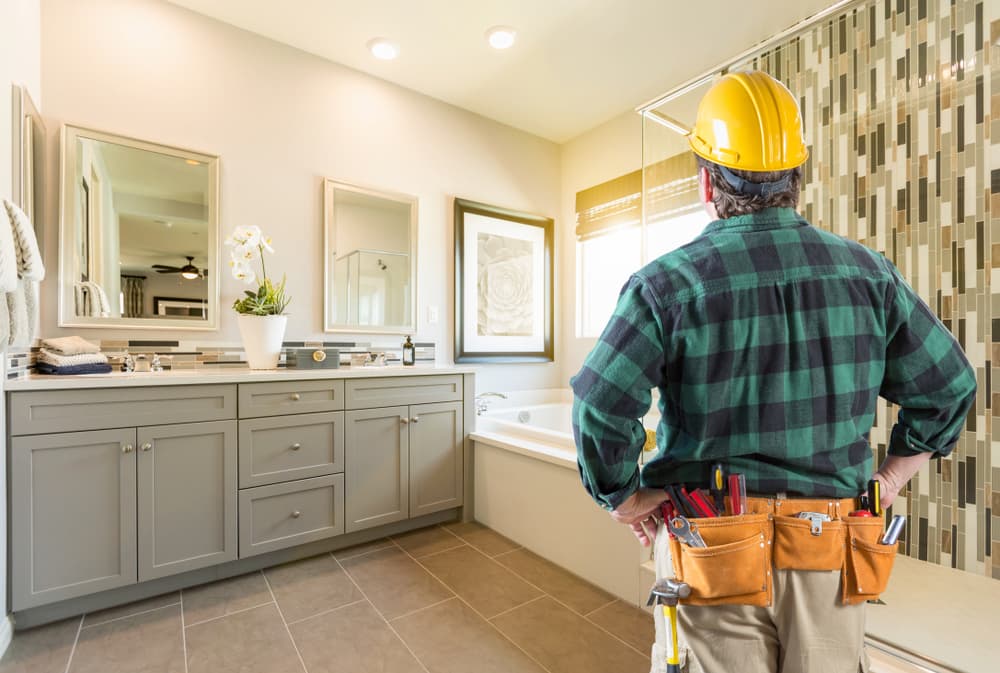
All contractors in the BathEstimates.com network have been pre-verified for state licensing, general liability insurance, workers' compensation coverage, and customer satisfaction history — saving you hours of vetting work.
Why Hiring the Right Contractor Matters
A bathroom remodel is one of the most complex home improvement projects a homeowner can undertake — it involves plumbing, electrical, tile work, carpentry, and often structural elements, all in a confined space with no margin for error. The difference between a great contractor and a poor one is not just the quality of the finished product; it's the difference between a smooth 4-week project and a 6-month nightmare with water damage, failed inspections, and a contractor who won't return calls.
The good news is that hiring a great contractor is a learnable skill. This guide gives you the exact process, questions, and red flags that experienced homeowners use to find and hire reliable bathroom remodeling contractors.
Step 1: Define Your Project Before Calling Anyone
Before you contact a single contractor, you need a clear picture of what you want. Contractors give more accurate estimates — and take you more seriously — when you can describe your project specifically. Vague requests ("I want to update my bathroom") lead to vague estimates that are useless for comparison.
- Measure your bathroom (length × width, ceiling height)
- List every element you want to change (tile, vanity, toilet, shower, tub, lighting, ventilation)
- List every element you want to keep (to avoid paying for demo and replacement of things you're happy with)
- Note any known issues (leaky faucet, soft spot in floor, poor ventilation)
- Set a realistic budget range — not a single number, but a range you're comfortable with
- Define your timeline — when do you need the project completed?
Step 2: Source Your Contractor Candidates
The best contractors are typically found through personal referrals from neighbors and friends who have had similar work done recently. After referrals, verified contractor directories (like BathEstimates.com) that pre-screen for licensing and insurance are the most reliable source. Avoid hiring contractors who solicit door-to-door or offer dramatically below-market prices.
- Personal referrals from neighbors, friends, or family who recently completed a bathroom remodel
- Verified contractor directories with pre-screened licensing and insurance verification
- Local building supply stores (tile shops, plumbing showrooms) — they often know who the best local contractors are
- Local Facebook neighborhood groups — ask for recent experiences, not just recommendations
- Your state's contractor licensing board website — search for licensed contractors in your area
Pro Tip: When asking for referrals, be specific: "I'm looking for a bathroom remodeling contractor who is good at tile work and communicates well." Specific requests get more useful recommendations than general ones.
Step 3: Verify Licensing and Insurance Before the First Meeting
Before you invite a contractor into your home for an estimate, verify their credentials. This takes 10 minutes and can save you enormous problems. An unlicensed contractor cannot pull permits, which means your project may not be inspectable, your homeowner's insurance may not cover related claims, and you may have difficulty selling your home.
- 1Verify their state contractor's license on your state's licensing board website (search "[your state] contractor license lookup")
- 2Ask for their general liability insurance certificate — minimum $1M per occurrence
- 3Ask for their workers' compensation certificate — this protects you if a worker is injured on your property
- 4Verify the insurance certificates are current (check the expiration date)
- 5Confirm the business name on the certificates matches the name on their estimate
Get Free Estimates from Certified Contractors
Connect with 3 certified local bathroom remodeling contractors. Free, no obligation — response within 24 hours.
If a contractor cannot provide current insurance certificates within 24 hours of your request, move on. Any legitimate contractor has these documents readily available.
Step 4: Interview at Least Three Contractors
Getting three estimates is not just about finding the lowest price — it's about understanding the range of approaches to your project and identifying which contractor communicates best, understands your goals, and has the right experience. Price is one factor; it should not be the only factor.
Questions to Ask Every Contractor
- "How many bathroom remodels have you completed in the past 12 months?" (Look for 10+ for confidence)
- "Can you provide 3 references from bathroom remodels completed in the past 6 months?"
- "Who will be doing the actual work — your employees or subcontractors?"
- "Will you pull all required permits for this project?"
- "What is your typical payment schedule?" (Never pay more than 10–15% upfront)
- "What is your process for handling unexpected conditions (water damage, bad subfloor, outdated wiring)?"
- "How do you communicate with homeowners during the project — daily updates, weekly check-ins?"
- "What is your warranty on labor and materials?"
Step 5: Evaluate the Estimates
Once you have three estimates, comparing them requires some work. Estimates that don't break out labor and materials separately are nearly impossible to compare. Ask any contractor who provides a lump-sum estimate to break it out into labor, materials, permits, and overhead/profit.
- Compare scope, not just price — make sure each estimate covers the same work
- Check allowances — if an estimate includes a "$500 tile allowance," that may not cover the tile you want
- Ask about what is NOT included — permits, demo disposal, and "unforeseen conditions" are common exclusions
- Be suspicious of estimates that are dramatically lower than the others — they usually mean something was left out
- Be suspicious of estimates that are dramatically higher without a clear explanation of why
Red Flags to Watch For
- Asks for more than 15–20% upfront before work begins
- Cannot provide proof of licensing or insurance
- Pressures you to sign immediately or offers a "today only" discount
- Has no physical business address or only a P.O. box
- Wants to be paid in cash only
- Cannot provide references from recent similar projects
- Refuses to pull permits ("it'll just slow things down")
- Estimate is a single lump sum with no breakdown
- Has no online presence, reviews, or verifiable history
- Solicited you door-to-door or after a storm
Step 6: Review the Contract Carefully
A proper bathroom remodeling contract protects both you and the contractor. It should be detailed enough that both parties have the same understanding of what is included, what the timeline is, how changes will be handled, and what happens if something goes wrong.
Essential Contract Elements
- Detailed scope of work — specific materials, brands, models, colors, and quantities where possible
- Start date and substantial completion date
- Payment schedule tied to project milestones, not calendar dates
- Change order process — how changes to scope are documented, priced, and approved
- Permit responsibility — who pulls permits and who pays for them
- Cleanup and debris removal — who is responsible and how often
- Warranty terms — what is covered, for how long, and how to make a claim
- Dispute resolution process — mediation or arbitration clause
- Contractor's license number and insurance information
Pro Tip: Never sign a contract that says "work as discussed" or "per verbal agreement" for scope. If it's not written down, it doesn't exist. A good contractor will not object to putting everything in writing.
Step 7: Manage the Project Effectively
Even with a great contractor, your involvement during the project matters. The homeowners who get the best results are those who stay engaged without micromanaging — they do a daily walkthrough, ask questions, and address issues early before they become expensive problems.
- 1Do a brief daily walkthrough to check progress and catch any issues early
- 2Document everything — take photos of work in progress, especially before walls are closed
- 3Address concerns immediately — don't let small issues fester into big disputes
- 4Approve all change orders in writing before additional work begins
- 5Do a final walkthrough with the contractor before making the final payment
- 6Create a punch list of any items that need to be corrected before final payment
Skip the vetting work — all contractors in the BathEstimates.com network are pre-verified for licensing, insurance, and customer satisfaction. Get free estimates from verified contractors in your area.
Find Verified Contractors
Editor-in-Chief, BathEstimates.com
David Linda is the Editor-in-Chief at BathEstimates.com. With over a decade of experience covering home improvement costs, contractor vetting, and bathroom renovation planning, David has helped hundreds of thousands of homeowners make confident remodeling decisions. His research draws on direct contractor interviews, regional cost data, and firsthand project analysis across every major US market.