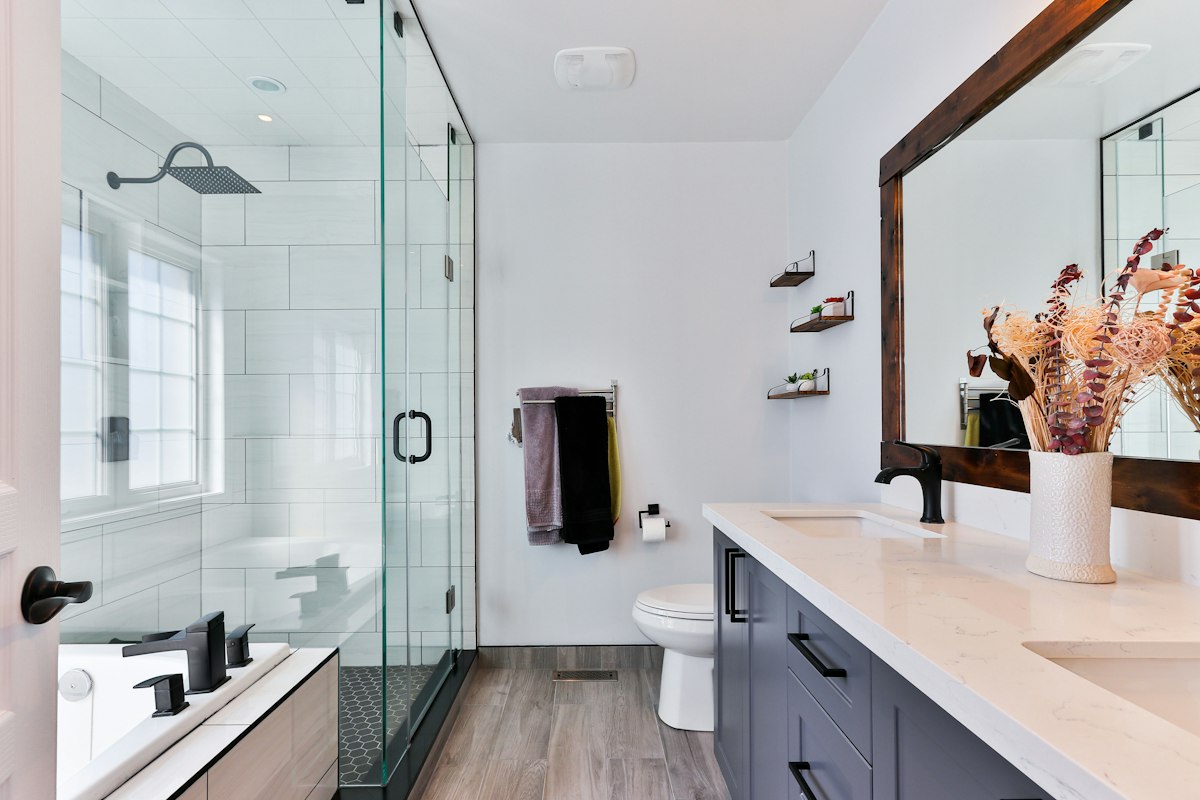
What Is a Walk-In Shower?
A walk-in shower is a shower enclosure with an open entry — no tub to step over, no door threshold, and often no door at all. They range from simple neo-angle designs with a glass door to fully curbless, barrier-free showers with frameless glass panels. Walk-in showers are the most popular bathroom upgrade in the United States, driven by both aesthetic preference and accessibility needs.
The term "walk-in shower" covers a broad range of designs. At the entry level, a walk-in shower might be a prefabricated acrylic unit with a low threshold. At the high end, it might be a custom-tiled, steam-enabled shower with multiple showerheads, a built-in bench, and frameless glass enclosure.
Walk-In Shower Types and Designs
Prefabricated Shower Units ($800–$2,500 installed)
Prefabricated (prefab) shower units come as a one-piece or multi-piece acrylic or fiberglass enclosure. They are the fastest and least expensive option, typically installed in one to two days. The trade-off is limited design flexibility and a less custom appearance.
Tile Shower with Framed Glass Door ($3,500–$7,000)
A custom-tiled shower with a framed glass door is the most common mid-range option. The tile work allows for design customization, and the framed door provides a clean, finished look. This is the most popular choice for bathroom remodels in the $10,000–$20,000 range.
Frameless Glass Shower ($5,000–$12,000)
Frameless glass shower enclosures use thick tempered glass (3/8" to 1/2") with minimal hardware. They create an open, spa-like appearance and are easier to clean than framed alternatives. The glass panels must be precisely measured and installed by a specialist.
Curbless (Zero-Threshold) Shower ($6,000–$15,000)
A curbless shower has no threshold or curb — the floor transitions seamlessly from the bathroom floor into the shower. This design is ideal for aging-in-place and accessibility needs, and is also a popular luxury feature. It requires precise floor slope engineering to direct water toward the drain.
Get Free Estimates from Certified Contractors
Connect with 3 certified local bathroom remodeling contractors. Free, no obligation — response within 24 hours.
Walk-In Shower Installation Cost Breakdown
The total cost of a walk-in shower installation depends on the size, materials, glass type, and whether you are converting from a tub or replacing an existing shower. Here is a realistic breakdown for a mid-range custom tile shower:
- Demolition and removal: $500–$1,200
- Waterproofing membrane and shower pan: $400–$900
- Tile (walls and floor): $800–$3,000 (materials + labor)
- Glass enclosure (framed): $600–$1,500
- Glass enclosure (frameless): $1,500–$4,000
- Plumbing (showerhead, valve, drain): $500–$1,500
- Niche, bench, or built-in features: $300–$1,000
- Permits and inspections: $100–$400
- Total mid-range: $4,000–$9,000
The Walk-In Shower Installation Process
- 1Design consultation and material selection
- 2Permits pulled (if required)
- 3Demolition of existing tub or shower
- 4Plumbing rough-in modifications (if moving drain or adding fixtures)
- 5Subfloor and framing inspection and repair
- 6Waterproofing membrane installation (critical step — must cure before tile)
- 7Shower pan or linear drain installation
- 8Wall tile installation
- 9Floor tile installation with proper slope to drain
- 10Glass enclosure installation
- 11Fixture installation (showerhead, valve, handles)
- 12Grouting, caulking, and sealing
- 13Final inspection
Waterproofing is the most critical step in any shower installation. Improper waterproofing is the leading cause of shower failures and water damage. Always ask your contractor about their waterproofing system and whether they use a membrane product like Schluter Kerdi or RedGard.
Walk-In Shower Size and Layout Considerations
The minimum comfortable size for a walk-in shower is 36"×36", but 36"×48" or larger is strongly recommended for usability. For a curbless shower or one that will serve aging-in-place needs, a minimum of 36"×60" allows for a shower bench and turning radius. The ADA recommends a minimum 36"×36" transfer shower for accessibility.
- Minimum: 36"×36" (functional but tight)
- Comfortable: 36"×48" or 42"×42"
- Recommended: 36"×60" or 48"×48"
- Luxury/spa: 48"×60" or larger
- Curbless/accessible: Minimum 36"×60" with 60"×60" preferred
Tub-to-Shower Conversion vs. New Walk-In Shower
If you are replacing a bathtub with a walk-in shower, the project is called a tub-to-shower conversion. This involves removing the existing tub, modifying the drain location (tubs and showers drain differently), and building the new shower in the same footprint. Tub-to-shower conversions typically cost $3,000–$8,000 and are one of the most popular bathroom upgrades. See our complete tub-to-shower conversion guide for a detailed walkthrough.
Walk-In Shower Tile and Material Options
- Ceramic tile: Most affordable, wide selection, easy to maintain
- Porcelain tile: More durable than ceramic, lower water absorption, ideal for shower floors
- Natural stone (marble, travertine): Luxury appearance, requires sealing, higher cost
- Large-format tile (12"×24" or larger): Modern look, fewer grout lines, easier to clean
- Mosaic tile: Decorative accents, ideal for shower floors (more grout = more grip)
- Solid surface panels: Seamless, no grout, modern appearance
Get Free Walk-In Shower Installation Estimates
Request Free QuotesFinding a Qualified Walk-In Shower Installer
Walk-in shower installation requires expertise in waterproofing, tile setting, plumbing, and glass installation. Look for a contractor who specializes in bathroom remodeling and can show you photos of completed shower projects. Ask specifically about their waterproofing process and whether they use a dedicated waterproofing membrane. BathEstimates.com connects you with certified bathroom contractors who have been verified for licensing, insurance, and customer satisfaction.
Frequently Asked Questions

Editor-in-Chief, BathEstimates.com
David Linda is the Editor-in-Chief at BathEstimates.com. With over a decade of experience covering home improvement costs, contractor vetting, and bathroom renovation planning, David has helped hundreds of thousands of homeowners make confident remodeling decisions. His research draws on direct contractor interviews, regional cost data, and firsthand project analysis across every major US market.